Meet the Founder: Bacely YoroBi, the Ethical Hacker Building Human-Centric Cybersecurity
At a time when cybersecurity threats are growing more sophisticated, Scorton is rethinking the industry’s reactive mindset. By blending AI and behavioral science, this Paris-based startup is tackling the human factor behind most breaches. We sat down with Bacely YoroBi, Founder & CEO of Scorton, to talk about his journey, vision, and why he believes empowering people is the future of digital defense.
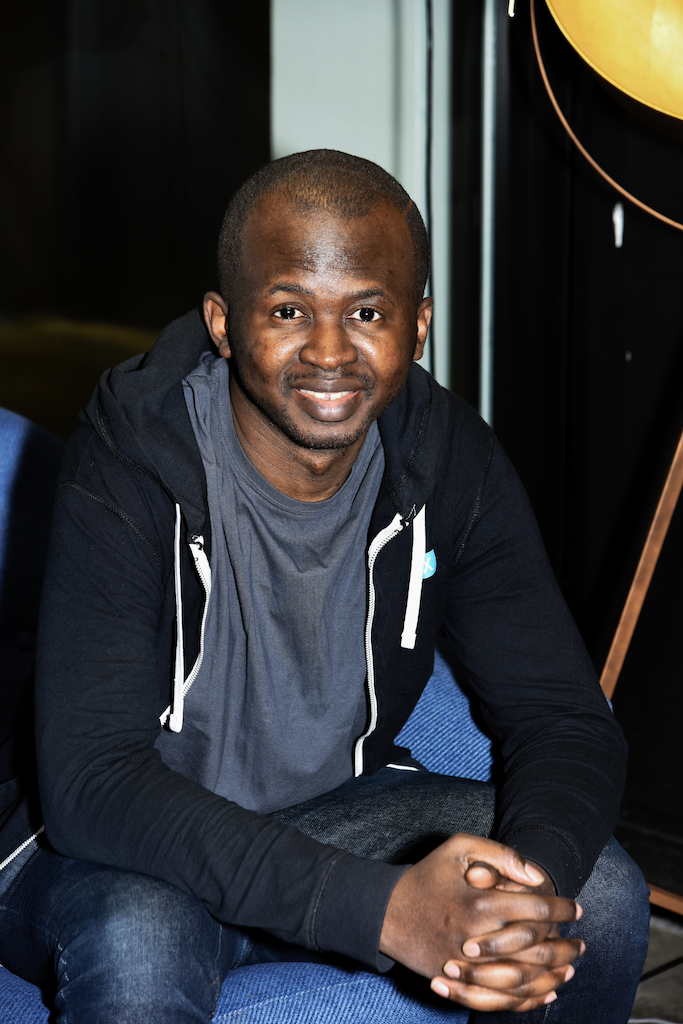
Tell us about your background. What led you into cybersecurity?
I started coding at 12 and later studied Computer Science in Abidjan and Paris. The moment that changed everything was when a friend told me about a breach at their company—not because of a tech failure, but because someone clicked the wrong link. That stuck with me. I realized that despite all our investment in security systems, the human element was still the weakest link.
What inspired you to launch Scorton?
I became obsessed with the idea that we could stop breaches before they happen—if we could anticipate human error. Most cybersecurity focuses on reacting. I wanted to build something proactive. That’s how Scorton was born: an AI-powered cybersecurity platform that predicts risk through behavioral analysis and adaptive learning. We use what I call Generative Privacy AI to anticipate vulnerabilities and train people smarter.
What problem is Scorton solving?
Cyberattacks aren’t just technical—they’re emotional and behavioral. Roughly 60–65% of breaches are caused by human error. Scorton helps organizations understand that and act on it. We empower teams to recognize their own vulnerabilities and respond in real time, rather than scrambling after an attack.
Who is your primary audience?
Small and medium businesses (SMBs), large enterprises, and security professionals. Our tools are designed to be scalable and affordable so even the most vulnerable companies can use them effectively. We also serve program managers and clinical officers who are responsible for compliance and risk in sectors like healthcare.
What technologies power your solution?
We offer several tools:
- AI-powered risk forecasting
- Adaptive training modules personalized by user behavior
- A Cyber Education Assistant for real-time support
- Smart content generation for training
- A leadership program for C-level awareness
All of it is underpinned by AI and emotional intelligence. We believe that’s the future of cyber defense.
Why focus on Generative Privacy AI?
Traditional cybersecurity waits for something bad to happen. Generative Privacy AI allows us to preempt threats by understanding behavior. It respects privacy while improving awareness and decision-making in real time. It’s a bit like Eastern medicine which tends to be preventative and holistic, versus Western medicine which focuses on the symptoms once they appear. In cyber terms, this is often too late.
You’ve grown quickly. What have been key milestones so far?
Over 100 businesses have tested Scorton. Our Net Promoter Score is 46%—well above average. We’ve brought in early investors like Cybica, Founder Institute, and Founder Networks, and we’ve formed partnerships with 10 different research and tech organizations including .
What’s next for Scorton?
We’re expanding into the U.S. and several European markets, especially in sectors like healthcare and finance. We’re launching a public version of our training tools. Our long-term goal is to become the global benchmark for AI-driven cybersecurity training.
How do you stay ahead of evolving threats?
We work with cybersecurity researchers, AI experts, and broadcasters to stay informed. Our platform also continuously updates based on real-world data and threat intelligence. It’s about staying agile and collaborative.
What kind of culture are you building at Scorton?
It’s still early days, but culture is central. We value transparency, passion, and resilience. Our team is small, but it’s made of people who live and breathe ethical hacking and research. We’re building a place where innovation thrives.
How do you attract top talent?
By offering the chance to work on cutting-edge problems. We also provide mentorship, access to top advisors, and a collaborative work environment focused on learning and impact.
What’s your leadership style?
Empowerment through knowledge. I believe in investing in people as much as in tech. The stronger and more informed the team, the better our results.
What advice would you give to founders building in cybersecurity?
Solve real problems. Be ethical with how you use AI. And build smart partnerships early—they open doors and drive credibility.
How do you personally stay informed and balanced?
I read research papers, attend conferences, and stay connected with the ethical hacking community. Outside of work, I mentor younger founders and engage in tech advocacy.
If you could give your younger self one piece of advice, what would it be?
Trust the process. And never underestimate the power of innovation.
More Founder Stories & Cybersecurity Coverage
- AI Startup IdentifAI Raises €5M Series A
- RAISE Summit 2025: Worlds Leading AI Event
- How to Get Media Attention Without a Big Announcement
Related articles: ArcaScience Raises €6.5M to Transform Drug Development with AI-Powered Benefit-Risk Intelligence | Rethinking Drug Development Decisions: How Advanced Risk – Benefit Models Can Prevent Billion-Dollar Mistakes | Romain Clément Interview: Building ArcaScience to Solve Healthcare’s Biggest R&D Challenge
0 comments