Accelerator Future Hub
Swedbank Latvia has launched Future Hub, the Baltic region’s first sustainability-focused co-creation accelerator, targeting GreenTech startups across Nordic and Baltic markets. The programme offers selected startups direct collaboration opportunities with leading enterprises whilst addressing pressing climate challenges aligned with the European Commission’s Green Deal initiatives.
Programme Overview: Bridging Startups and Enterprise Sustainability
What Is Future Hub?
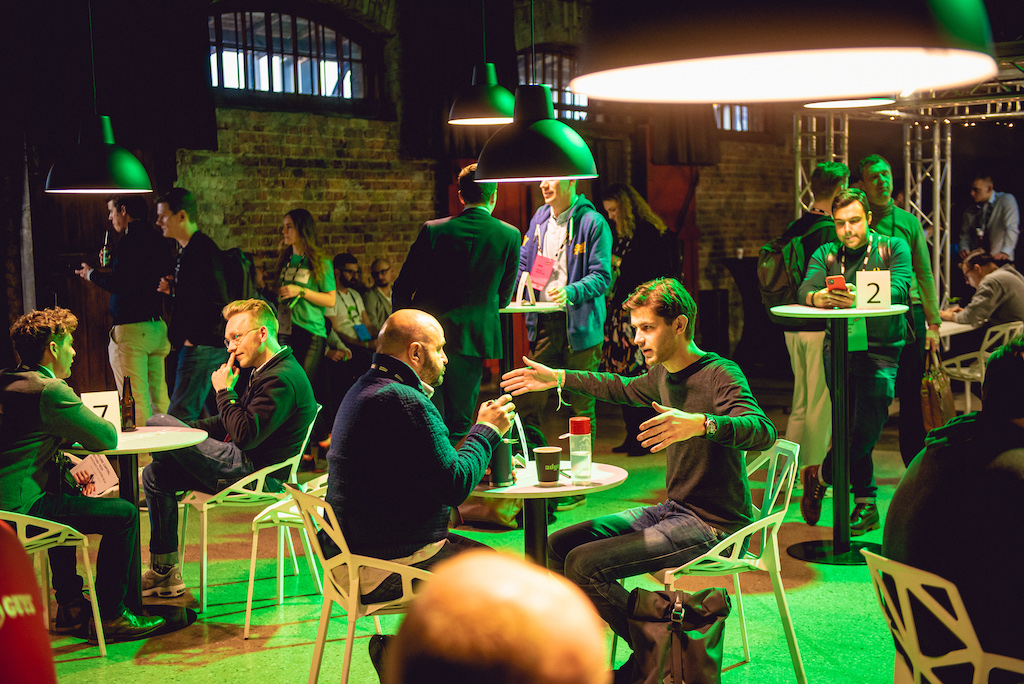
Future Hub represents a new co-creation accelerator model specifically designed for sustainability and GreenTech solutions. Launched by Swedbank Latvia in partnership with innovation ecosystem leaders Helve, Greentech Alliance, and TechChill, the programme addresses the growing gap between enterprise sustainability needs and startup innovation capabilities.
Key Programme Details:
- Duration: 2-month fast-track programme (March-May 2021)
- Focus: Sustainability and climate solutions
- Target Region: Baltic and Nordic countries
- Application Deadline: February 16, 2021
- Format: Enterprise-startup co-creation partnerships
Strategic Context: European Green Deal Impact
The accelerator’s launch comes at a critical juncture for European businesses. The European Commission’s Green Deal has created unprecedented pressure for companies to adopt sustainable practices, whilst climate change concerns drive consumer demand for environmentally responsible solutions.
Marija Rucevska, Co-founder at Helve and Chair of the Board at TechChill, explains the programme’s foundation: “Founders with new sustainability solutions are working tirelessly to address burning issues, whilst corporations are trying to figure out a way to move toward more sustainable actions and business models. We see an amazing opportunity for mutually beneficial partnerships that would benefit startup and enterprise businesses and further develop the GreenTech ecosystem in our region.”
Target Sectors and Technologies
Priority Industry Verticals
Future Hub specifically seeks startups operating across five key sustainability sectors:
1. Food and AgroTech
- Sustainable agriculture solutions
- Food waste reduction technologies
- Alternative protein development
- Supply chain transparency tools
2. Mobility Solutions
- Electric vehicle infrastructure
- Smart transportation systems
- Logistics optimisation platforms
- Carbon footprint tracking for transport
3. Energy and Smart Cities
- Renewable energy technologies
- Smart grid solutions
- Energy efficiency platforms
- Urban sustainability systems
4. Supply Chain and Logistics
- Circular economy solutions
- Waste reduction technologies
- Sustainable packaging innovations
- Logistics optimisation tools
5. Sustainable Business and Circular Economy
- ESG reporting platforms
- Carbon footprint measurement tools
- Sustainability consulting technologies
- Circular business model enablers
Business Model Flexibility
The programme welcomes startups across different business models:
- B2B: Enterprise-focused sustainability solutions
- B2C: Consumer-facing environmental products
- B2B2C: Platform solutions serving both segments
The Co-Creation Model: How It Works
Enterprise Challenge Matching
Unlike traditional accelerators that focus primarily on startup development, Future Hub centres on solving real enterprise sustainability challenges through startup innovation. Selected startups will be matched with specific challenges presented by market-leading enterprises in the Baltic region.
The Process:
- Challenge Definition: Enterprises present specific sustainability challenges
- Startup Selection: Relevant startups are matched to challenges
- Co-Creation Phase: Joint development of solutions over 2 months
- Pilot Development: Exploration of market alliances and pilot programmes
- Commercial Partnership: Potential long-term collaboration agreements
Swedbank’s Challenge: Carbon Footprint Measurement
Swedbank Latvia exemplifies the programme’s approach by presenting its own sustainability challenge. Adriana Kaulina, Sustainability Officer at Swedbank Latvia, outlines their specific need: “We ourselves are entering the accelerator with a call to create a convenient tool for our customers—small and medium-sized companies—to measure, manage, compare, and track their carbon footprint.”
This challenge represents a significant market opportunity, as thousands of Baltic SMEs require carbon footprint measurement tools to comply with emerging sustainability reporting requirements.
Market Opportunity: Baltic and Nordic Sustainability Ecosystem
Regional GreenTech Landscape
The Baltic and Nordic regions have emerged as European leaders in sustainability innovation, driven by:
Government Support:
- Strong renewable energy policies
- Carbon neutrality commitments
- Digital infrastructure investment
- Startup-friendly regulatory environments
Market Conditions:
- High consumer environmental awareness
- Corporate sustainability mandates
- ESG investment growth
- Technology adoption rates
Ecosystem Development:
- Established startup communities
- Corporate innovation programmes
- University research partnerships
- International market access
Competitive Advantages for Baltic Startups
Startups in the Baltic and Nordic regions benefit from several competitive advantages:
- Regulatory Environment: Early adoption of EU sustainability frameworks
- Market Access: Gateway to broader European markets
- Technology Infrastructure: Advanced digital connectivity
- Talent Pool: Strong technical education systems
- Cultural Alignment: Social values aligned with sustainability goals
Partnership Ecosystem: Key Stakeholders
Swedbank Latvia: Financial Innovation Leadership
As the programme’s anchor partner, Swedbank Latvia brings:
- Market Access: Extensive SME customer base requiring sustainability solutions
- Industry Expertise: Deep understanding of financial sector sustainability needs
- Resource Commitment: Financial and operational support for programme participants
- Regulatory Knowledge: Insights into emerging sustainability compliance requirements
Helve: Innovation Strategy Excellence
Innovation strategy company Helve contributes:
- Accelerator Expertise: Proven track record in startup development programmes
- Corporate Innovation: Experience facilitating enterprise-startup partnerships
- Market Intelligence: Deep understanding of Baltic technology ecosystem
- Strategic Guidance: Business model development and market entry support
TechChill: Community and Network
TechChill provides:
- Startup Community: Access to Baltic’s largest technology conference network
- Industry Connections: Relationships with investors, corporates, and government
- Event Platform: Showcase opportunities for programme participants
- Regional Presence: Strong networks across Baltic and Nordic markets
Greentech Alliance: Sector Specialisation
Greentech Alliance offers:
- Industry Focus: Deep expertise in sustainability and clean technology sectors
- Technical Knowledge: Understanding of emerging GreenTech trends
- Market Insights: Analysis of sustainability technology adoption patterns
- Partnership Networks: Connections with sustainability-focused investors and corporates
Application Process and Selection Criteria
Eligibility Requirements
Geographic Focus: Startups must be based in Baltic or Nordic regions (Latvia, Lithuania, Estonia, Finland, Sweden, Norway, Denmark, Iceland)
Development Stage: Early to growth-stage companies with developed solutions or prototypes
Market Focus: B2B, B2C, or B2B2C models addressing sustainability challenges
Technology Readiness: Solutions ready for pilot testing or market deployment
Selection Process
- Initial Application: Submit application by February 16, 2021
- Screening Phase: Technical and market feasibility assessment
- Enterprise Matching: Alignment with specific enterprise challenges
- Final Selection: Programme participants announced
- Onboarding: Introduction to enterprise partners and programme structure
Value Proposition for Participants
Direct Enterprise Access:
- Immediate connection to potential customers
- Real-world problem validation
- Pilot opportunity development
- Long-term partnership potential
Accelerated Market Entry:
- Reduced sales cycle through partner introductions
- Market validation through enterprise feedback
- Revenue opportunity identification
- Customer development support
Ecosystem Integration:
- Access to Baltic’s leading sustainability network
- Investor introduction opportunities
- Peer learning and collaboration
- Regional market expansion support
Market Impact and Future Implications
Addressing the Enterprise Innovation Gap
Traditional corporate innovation often struggles with sustainability challenges due to:
- Resource Constraints: Limited internal R&D capacity for sustainability solutions
- Cultural Barriers: Resistance to changing established processes
- Technical Expertise: Lack of specialised knowledge in emerging technologies
- Speed Requirements: Urgent need for solutions to meet regulatory deadlines
Future Hub’s co-creation model directly addresses these challenges by providing enterprises with:
- External Innovation: Access to cutting-edge startup solutions
- Reduced Risk: Pilot opportunities before full implementation
- Cultural Change: Exposure to startup methodologies and approaches
- Technical Expertise: Partnership with specialised sustainability technology companies
Regional Ecosystem Development
The programme’s success could catalyse broader Baltic sustainability ecosystem development through:
Talent Attraction: Drawing international sustainability entrepreneurs to the region
Investment Flow: Increased venture capital interest in Baltic GreenTech startups
Corporate Engagement: Greater enterprise participation in sustainability innovation
Policy Influence: Demonstrating effective public-private collaboration models
Looking Ahead: Programme Timeline and Next Steps
Immediate Actions for Interested Startups
Application Preparation:
- Review programme requirements and sector focus areas
- Prepare compelling sustainability value proposition
- Identify relevant enterprise challenges and potential partnerships
- Gather supporting documentation and team credentials
Due Diligence:
- Research participating enterprises and their sustainability goals
- Understand regulatory environment and compliance requirements
- Assess market opportunity and competitive landscape
- Develop pilot programme proposals
Expected Programme Outcomes
For Startups:
- Accelerated product development through enterprise feedback
- Revenue generation opportunities through pilot programmes
- Market validation and customer development
- Access to follow-on funding and investment opportunities
For Enterprises:
- Access to innovative sustainability solutions
- Reduced development time and costs
- Enhanced sustainability credentials and reporting
- Cultural transformation toward innovation adoption
For the Ecosystem:
- Increased Baltic and Nordic sustainability technology visibility
- Enhanced collaboration between startups and enterprises
- Greater investor interest in regional GreenTech opportunities
- Policy model for other European regions
Quick Facts
Programme Name: Future Hub Sustainability Accelerator Lead Partner: Swedbank Latvia Partner Organisations:Helve, TechChill, Greentech Alliance Duration: 2 months (March-May 2021) Application Deadline: February 16, 2021Target Regions: Baltic and Nordic countries Focus Sectors: Food & AgroTech, Mobility, Energy & Smart Cities, Supply Chain & Logistics, Sustainable Business & Circular Economy
Programme Format:
- Enterprise-startup co-creation partnerships
- Real challenge solving with pilot opportunities
- Access to leading Baltic enterprises
- Sustainability ecosystem development
Application Requirements:
- Baltic or Nordic startup location
- Sustainability or GreenTech focus
- B2B, B2C, or B2B2C business model
- Technology ready for pilot testing
Related articles: Empowering Last-Mile Logistics: Swotzy Gains €500K Pre-Seed Boost for Delivery Innovation | Intel Ignite’s Inaugural UK Cohort: Meet the 10 Outstanding Deep Tech Startups of 2023 | Startup Campus Maria 01’s companies raise record funding